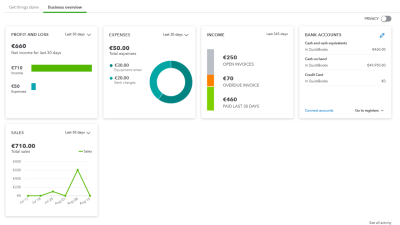
As quickbooks credit card payment takes center stage, this opening passage beckons readers into a world where financial management becomes streamlined and straightforward. Understanding how to efficiently process credit card payments through QuickBooks not only enhances your accounting experience but also simplifies your business transactions, ensuring you stay on top of your finances.
This guide will explore the ins and outs of QuickBooks credit card payment, detailing its importance in today’s business landscape, the advantages it offers, and how it can ultimately lead to better financial health for your organization.
In today’s fast-paced world, the importance of effective communication cannot be overstated. Whether you’re interacting with colleagues, clients, or friends, the way you convey your thoughts and feelings significantly impacts your relationships and professional success. In this article, we will delve into the fundamentals of effective communication, the various forms it takes, and some practical tips to enhance your communication skills.To begin with, we need to understand what effective communication really means.

At its core, effective communication is about conveying information in a way that is clear, concise, and easily understood by the recipient. It involves not only speaking or writing clearly but also being an active listener. This means paying attention to what others are saying, processing that information, and responding appropriately. Communication is a two-way street, and both parties must be engaged for it to be effective.One of the key components of effective communication is clarity.
When communicating, whether verbally or in writing, it’s essential to articulate your thoughts clearly. Avoid jargon or overly complex language that might confuse your audience. Instead, aim for simplicity and straightforwardness. For example, instead of saying, “We should synergize our objectives to enhance operational efficiency,” you could say, “Let’s work together to improve how we operate.” This not only makes your message more relatable but also ensures that everyone is on the same page.Another critical element of communication is conciseness.
In a world where attention spans are constantly decreasing, the ability to convey your message in as few words as possible without losing its essence is invaluable. This doesn’t mean you should sacrifice important details, but rather focus on delivering your message in a way that respects the time of your audience. For instance, in a business meeting, getting to the point quickly can keep the discussion productive and engaging.Active listening is also a vital part of effective communication.
This means giving your full attention to the speaker, showing interest in what they are saying, and responding thoughtfully. Active listening involves more than just hearing the words; it requires understanding the emotions and intentions behind the message. You can demonstrate active listening by nodding, maintaining eye contact, and providing feedback or summarizing what the speaker has said. This not only shows respect for the speaker but also helps you retain the information better.Non-verbal communication plays a significant role, too.
Body language, facial expressions, and tone of voice can all convey messages that may not be spoken. For example, crossing your arms might signal defensiveness, while maintaining an open posture can indicate openness and willingness to engage. Being aware of your non-verbal cues and those of others is essential for enhancing your overall communication effectiveness.Moreover, the medium of your communication matters.
Depending on the context, some messages are better delivered face-to-face, while others can be effectively communicated through email or messaging apps. Understanding the nuances of each medium can help you choose the right one for your message. For instance, for sensitive topics, face-to-face communication is often more appropriate, as it allows for a more empathetic exchange.In addition to these elements, it’s important to consider the audience you are communicating with.

Tailoring your message to suit your audience’s knowledge, interests, and expectations can significantly enhance its impact. For example, when speaking to a group of experts, you can use industry jargon and delve deeper into specific technical details. Conversely, if your audience is unfamiliar with the topic, you should simplify your language and provide more background information.Feedback is another crucial aspect of effective communication.
Constructive feedback can lead to improvements and foster growth, whether in the workplace or personal relationships. When giving feedback, it’s essential to be specific and focus on behaviors rather than personal attributes. For example, instead of saying, “You did a poor job on this project,” you could say, “I think the project could have been stronger if more time was spent on research.” This approach is more likely to be received positively and lead to actionable changes.Building rapport with your audience is another effective communication strategy.
Establishing a connection can create a more open environment where individuals feel comfortable sharing their thoughts. This can be done through small talk, finding common interests, or showing empathy. When people feel a sense of connection, they are more likely to be engaged and responsive during conversations.In a professional setting, it is also crucial to manage emotions during communication. Emotional intelligence, or the ability to recognize and manage your emotions and those of others, can greatly influence your communication effectiveness.
Staying calm and composed, even in challenging discussions, can help you articulate your points more clearly and prevent misunderstandings.Finally, practice makes perfect. Like any other skill, effective communication improves with practice. Seek opportunities to engage in conversations, participate in public speaking, or even write. The more you put yourself in situations where you need to communicate, the more comfortable and skilled you will become.In conclusion, effective communication is an essential skill in both personal and professional realms.
By focusing on clarity, conciseness, active listening, and non-verbal cues, you can enhance your ability to convey your thoughts and ideas. Tailoring your message to your audience, seeking feedback, and building rapport also play significant roles in successful communication. Remember, communication is not just about what you say, but how you say it and how you listen. With dedication and practice, anyone can become a more effective communicator, fostering better relationships and achieving greater success in their endeavors.
Q&A
What types of credit cards does QuickBooks accept?

QuickBooks accepts all major credit cards, including Visa, MasterCard, American Express, and Discover.
Is there a fee for processing credit card payments in QuickBooks?
Yes, QuickBooks typically charges a processing fee for credit card transactions, which varies based on the plan you choose.
Can I use QuickBooks credit card payment for international transactions?
Yes, QuickBooks supports international transactions, but be aware of additional fees that may apply.
How long does it take for credit card payments to process in QuickBooks?
Most credit card payments are processed within one to two business days, depending on your payment processor.
Can I issue refunds for credit card payments made through QuickBooks?
Yes, you can easily issue refunds for credit card payments directly through your QuickBooks account.