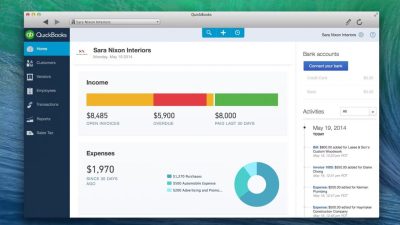
QuickBooks Online Credit Card Payment opens up a world of convenience for businesses seeking efficient financial management. This tool not only simplifies payment processing but also enhances cash flow, making it a vital asset in today’s fast-paced digital landscape.
With the increasing reliance on online transactions, understanding how to leverage QuickBooks for credit card payments can significantly streamline your operations. From easy setup to integrations with existing systems, this service is designed to help users manage their finances effortlessly.
In today’s fast-paced world, effective communication is more important than ever. Whether in personal relationships, the workplace, or even in the realm of social media, the ability to convey ideas clearly and concisely can make a significant difference. This article aims to explore the nuances of effective communication, its various forms, and some tips on how to enhance your skills in this vital area.First and foremost, let’s define what we mean by effective communication.
At its core, effective communication is the ability to convey information to others in a way that is understood and appreciated by the recipient. This involves not only the words you choose but also your tone, body language, and the medium you use to deliver your message. It’s a multi-faceted process that requires consideration of both the sender and the receiver.One of the most common forms of communication is verbal communication.
This is the spoken word, which can take place in face-to-face conversations, over the phone, or through video calls. Verbal communication allows for immediate feedback, which can be incredibly beneficial. For instance, during a meeting, individuals can ask questions and clarify points in real time. However, it is essential to be aware of how tone and inflection can alter the meaning of your words.
A statement that is intended to be humorous could be taken seriously, depending on how it is delivered.Non-verbal communication is another critical aspect of effective communication. This includes body language, gestures, facial expressions, and even eye contact. Non-verbal cues can significantly affect how a message is perceived. For example, someone might say they are open to feedback, but if their arms are crossed and they avoid eye contact, their body language might suggest otherwise.
Understanding and mastering non-verbal communication can enhance your interactions and help convey sincerity and openness.Written communication is also a fundamental part of how we share information. This includes emails, text messages, reports, and any other form of written documentation. The challenge with written communication is that it lacks the immediate feedback that verbal communication offers. Therefore, it’s crucial to be as clear and concise as possible.
Taking the time to proofread and edit your writing can prevent misunderstandings and ensure that your message is received as intended. In the digital age, we must also consider online communication platforms. Social media, instant messaging apps, and professional networking sites have changed the way we interact. While these platforms can facilitate quick and effective communication, they can also lead to the misinterpretation of messages.
The absence of non-verbal cues in written text can result in misunderstandings. To mitigate this, you should strive to be clear and thoughtful in your online interactions. Using emojis or gifs can sometimes help convey tone, but it’s essential to use them judiciously, especially in professional settings.So, how can you improve your communication skills? Here are some practical tips to consider:
1. Practice Active Listening
Effective communication is a two-way street. To ensure that your messages are understood, practice active listening. This means giving your full attention to the speaker, acknowledging their points, and responding thoughtfully. This not only shows respect but also helps you understand the other person’s perspective better.
2. Be Clear and Concise
Whether you’re speaking or writing, strive to be clear and to the point. Avoid jargon or overly complex language that might confuse your audience. Instead, use simple language that communicates your message effectively.
3. Know Your Audience
Tailoring your communication style to your audience can make a significant difference. Consider their background, preferences, and familiarity with the topic. This awareness will help you choose the right words and tone.
4. Watch Your Body Language
In verbal communication, your body language can speak volumes. Be mindful of your posture, gestures, and facial expressions. They should align with the message you’re trying to convey.
5. Seek Feedback
One of the best ways to improve is to ask for feedback. After a presentation or conversation, check in with the other person to see if they understood your points. This can provide valuable insights into where you might need improvement. Practice, Practice, Practice: Like any other skill, communication improves with practice. Take opportunities to speak in public, write more often, or engage in discussions.
The more you practice, the more comfortable you will become.
7. Stay Open to Learning
Effective communicators are always looking to improve. Stay open to learning new techniques, whether through workshops, reading, or observing others. Lastly, remember that effective communication is not just about speaking or writing well; it’s about building relationships. When you communicate effectively, you foster trust and understanding, which are crucial for both personal and professional success. In conclusion, mastering the art of communication is an ongoing journey that will yield significant rewards.
By focusing on clarity, understanding your audience, and practicing active listening, you can enhance your communication skills dramatically. Whether in a casual conversation with friends or a high-stakes presentation at work, the ability to convey your message effectively can open doors and create opportunities. Take the time to invest in your communication skills, and you will likely find that both your personal and professional relationships flourish as a result.
Q&A
What are the fees associated with QuickBooks Online Credit Card Payments?
Fees can vary depending on the chosen payment plan, usually including a percentage of each transaction plus a fixed fee.
Can I accept international credit card payments using QuickBooks?
Yes, QuickBooks allows for international transactions, but fees may differ based on currency conversion.
Is customer support available for QuickBooks Online Credit Card Payment?
Absolutely! QuickBooks offers various customer support options, including chat, phone, and online resources.
How can I integrate QuickBooks Online Credit Card Payment with my existing sales systems?
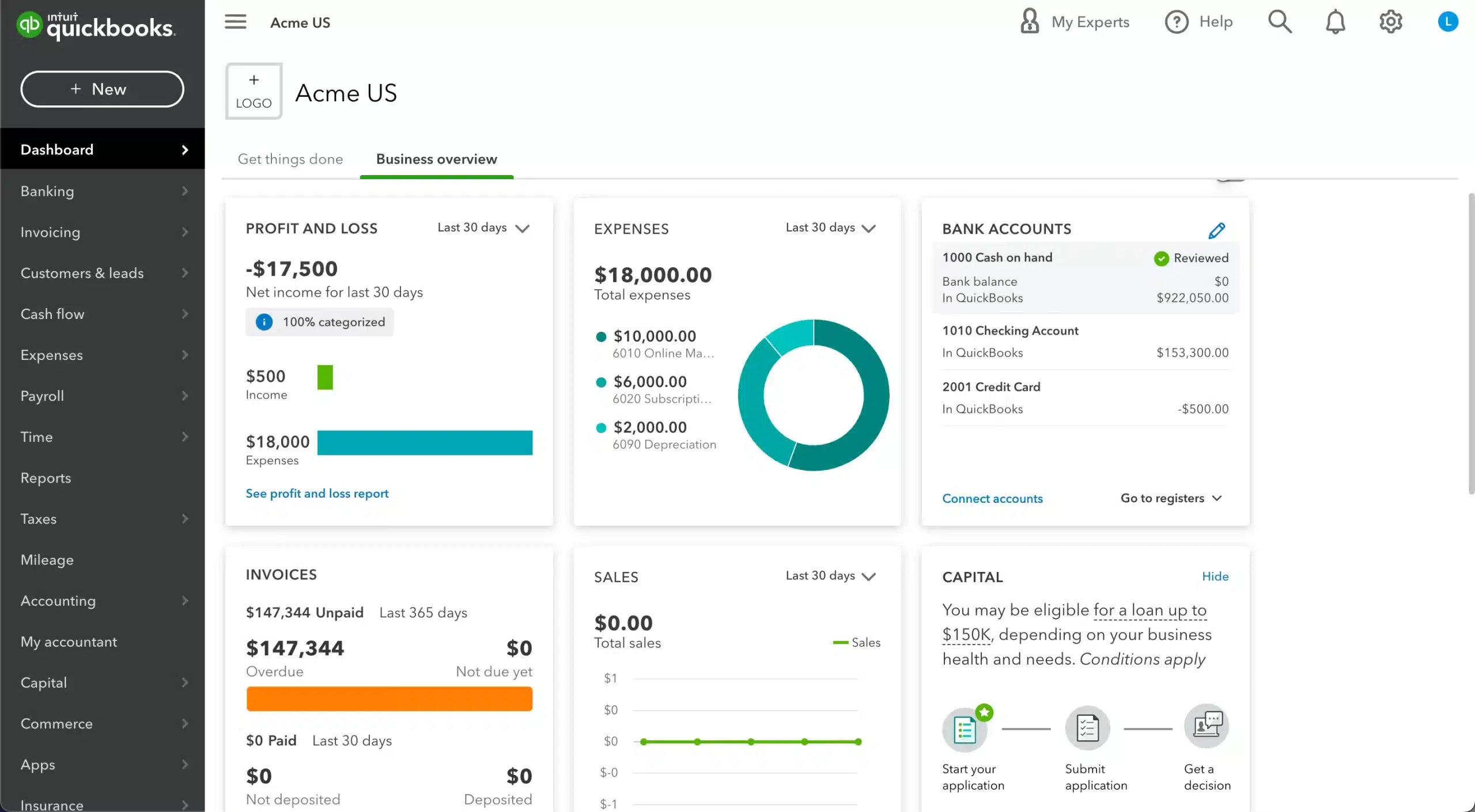
Integration is straightforward through QuickBooks’ built-in features, allowing seamless connectivity with other platforms.
What security measures does QuickBooks implement for credit card payments?
QuickBooks uses advanced encryption and security protocols to protect sensitive payment information during transactions.