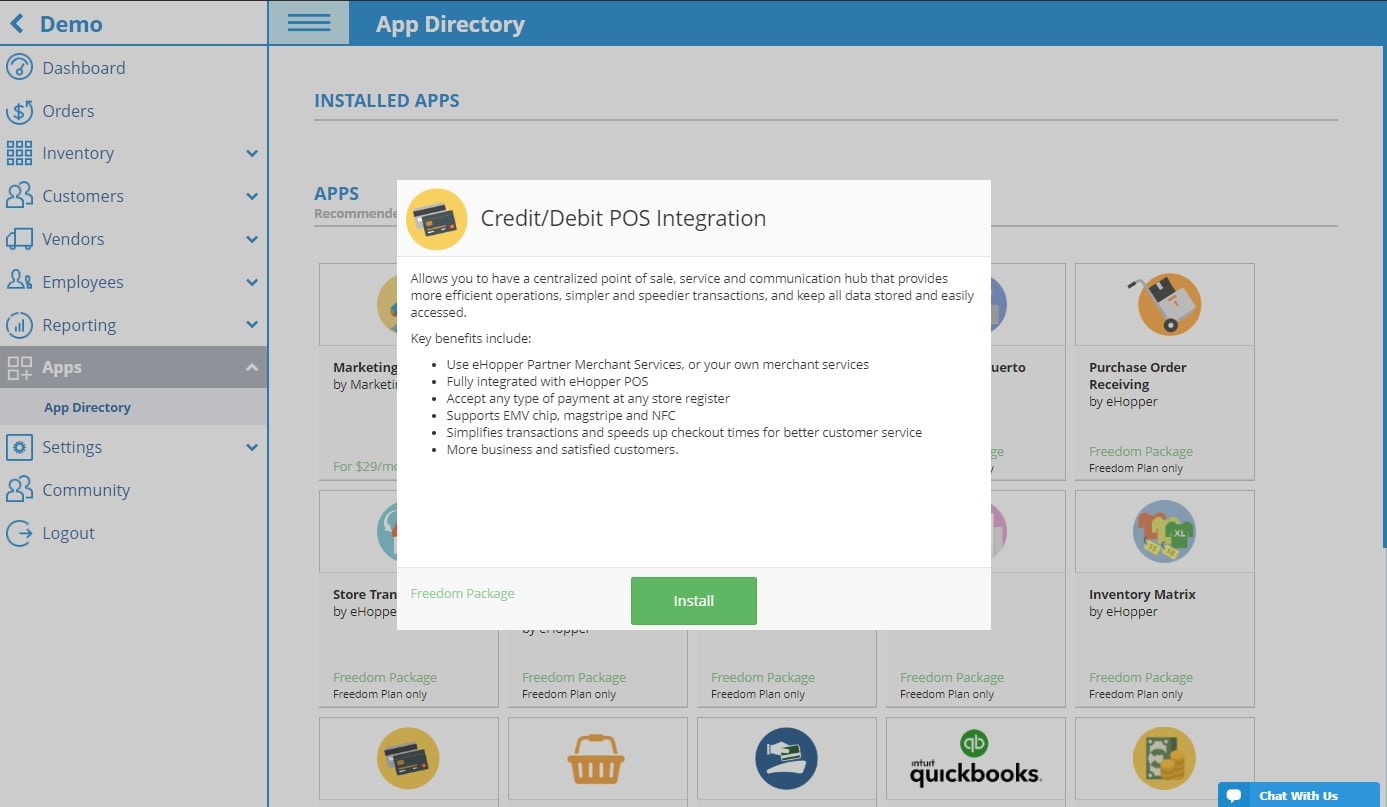
In today’s fast-paced digital marketplace, the ability to accept credit card payments seamlessly is crucial for businesses of all sizes. Apps to accept credit card payments not only streamline transactions but also enhance customer satisfaction by providing various payment options that are secure and convenient. With the rise of e-commerce, these apps have become indispensable tools, ensuring that businesses can operate efficiently in a competitive landscape.
From small enterprises to large corporations, finding the right payment solution can significantly impact revenue. This overview will explore various apps available in the market, their unique features, and how they can cater to diverse business needs.
In today’s fast-paced world, the importance of effective communication cannot be overstated. Whether in our personal lives or professional settings, how we convey our thoughts and ideas significantly impacts our relationships and success. This article explores key aspects of communication, offering insights into its various forms, barriers, and the skills necessary for improvement.At its core, communication is the process of exchanging information, thoughts, and feelings between individuals.
It can occur through verbal means, such as speaking and writing, or non-verbal methods like body language, facial expressions, and gestures. Each of these forms has its own nuances and can influence the message being delivered.Verbal communication is perhaps the most recognized form. It involves using spoken or written words to convey messages. In professional settings, clear and concise verbal communication can lead to better teamwork, enhanced productivity, and fewer misunderstandings.
For instance, during a meeting, how a leader articulates their ideas can inspire a team and foster a collaborative environment. On the other hand, ambiguous or poorly structured messages can lead to confusion and frustration among team members.In contrast, non-verbal communication plays an equally vital role. Our body language, eye contact, and even our tone of voice can convey emotions and intentions beyond the words we use.
For example, crossing arms may suggest defensiveness, while maintaining eye contact can indicate confidence and engagement. Being aware of these non-verbal cues can enhance our ability to connect with others, making our communication more effective.However, various barriers can hinder effective communication. These barriers can be physical, psychological, or emotional. Physical barriers include environmental factors such as noise, distance, or interruptions that can distract or distort the message.
Psychological barriers stem from personal biases, assumptions, or preconceived notions that may affect how we interpret a message. Emotional barriers, such as stress or anxiety, can impact our ability to listen actively or respond appropriately.To overcome these barriers, it is essential to develop strong communication skills. Active listening is one of the most crucial skills for effective communication. It involves fully concentrating on what is being said rather than merely waiting for one’s turn to speak.
Active listening requires us to engage with the speaker, ask clarifying questions, and provide feedback, demonstrating that we value their input. This approach not only enhances understanding but also builds trust between parties.Another essential skill is adaptability. Being able to adjust our communication style based on the audience or context can significantly improve our effectiveness. For instance, communicating with a colleague may differ from addressing a larger audience or presenting to clients.
Understanding the preferences and expectations of our audience enables us to tailor our message accordingly, ensuring it resonates more deeply.Additionally, empathy is a fundamental component of successful communication. When we approach conversations with empathy, we strive to understand the feelings and perspectives of others. This understanding helps us respond thoughtfully and avoid misunderstandings. By fostering a culture of empathy in our communication, we can create a more inclusive environment where everyone feels heard and valued.Moreover, practicing clarity and precision in our messages is vital.
Using simple language and avoiding jargon can help our audience grasp our ideas more easily. It’s crucial to remember that effective communication is not about impressing others with complex vocabulary but rather ensuring that our message is understood. By structuring our thoughts logically and presenting them clearly, we enhance our chances of being comprehended.To illustrate the significance of effective communication, let’s consider the impact of technology on how we connect.
In recent years, the rise of digital communication platforms has reshaped how we interact. While these tools offer convenience and speed, they also present unique challenges. Misinterpretation can occur more easily in written communication, where tone and emotion may not come through as intended. To mitigate this risk, using emojis or explicit language to clarify intent can be beneficial.Furthermore, video conferencing has become a staple in remote work environments.
While it allows for face-to-face interaction across distances, it can also lead to distractions and technical issues that disrupt communication flow. To navigate these challenges, it’s essential to establish clear guidelines for virtual meetings, such as muting when not speaking and maintaining eye contact with the camera to foster engagement.Ultimately, effective communication is a skill that requires continuous refinement. Regularly seeking feedback from colleagues or friends can help us identify areas for improvement.
Additionally, reading books or attending workshops focused on communication skills can provide valuable insights and techniques for better engagement.In conclusion, the art of communication is an essential component of our daily lives, influencing our relationships and professional success. Understanding the various forms of communication, recognizing potential barriers, and honing our skills are pivotal steps toward becoming effective communicators. By embracing active listening, empathy, adaptability, and clarity, we can navigate the complexities of human interaction and foster meaningful connections.
As we continue to evolve in our communication methods—especially in an increasingly digital world—committing to improvement will ensure that our voices and ideas are heard and understood.
FAQ Overview
What types of businesses can benefit from credit card payment apps?
Almost any business, including retail, services, and e-commerce, can benefit from using credit card payment apps to accept payments efficiently.
Are credit card payment apps safe to use?
Yes, most credit card payment apps use encryption and security protocols to protect sensitive financial information, making them safe for transactions.
Do I need a merchant account to use a credit card payment app?
Some apps require a merchant account, while others allow you to accept payments without it, so it’s essential to check the specific app’s requirements.
Can I use a credit card payment app for online sales?

Yes, many credit card payment apps are designed specifically for online transactions, enabling businesses to accept payments through their websites or apps.
How much do credit card payment apps typically charge in fees?
Fees can vary widely, but most apps charge a percentage of the transaction amount, often ranging from 1.5% to 3%, plus a small fixed fee per transaction.