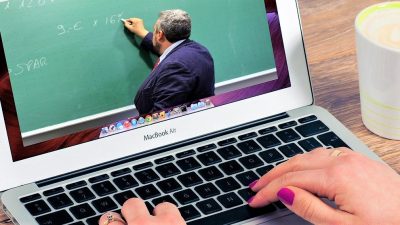
gammatech computer sets the stage for this enthralling narrative, offering readers a glimpse into a story that is rich in detail and brimming with originality from the outset.
This exploration into the world of translation underscores its critical role in bridging communication across cultures and languages. From early translations in ancient civilizations to modern computer-assisted tools, translation has evolved significantly, impacting various fields such as literature, technology, and law. Understanding the nuances of translation not only enriches global communication but also highlights the importance of cultural competency in ensuring accuracy and effectiveness.
In today’s fast-paced world, the need for effective communication has never been more crucial. Whether it’s in a professional setting or personal interactions, knowing how to convey your thoughts clearly can significantly impact your relationships and work outcomes. This article aims to explore the facets of effective communication, offering insights and tips on how to enhance your skills. Effective communication encompasses not only the words we use but also our body language, tone, and listening abilities.
It involves a sender transmitting a message and a receiver interpreting it. Misunderstandings can easily occur, so being clear and concise is essential. Let’s delve into some key components of effective communication. 1. Active Listening One of the most vital aspects of communication is listening. However, active listening goes beyond just hearing what someone is saying.
It involves being fully present in the conversation, showing genuine interest, and responding appropriately. Active listening can be broken down into several components:
Pay Attention
This means not only hearing the words but also noticing the non-verbal signals such as facial expressions and gestures. It’s important to eliminate distractions, making your conversation partner feel valued.
Show That You’re Listening
Use small verbal acknowledgments like “I see,” or “Go on,” to demonstrate you’re engaged. Nodding and maintaining eye contact can also convey your attentiveness.
Provide Feedback
Summarize what has been said to ensure understanding. This can include paraphrasing the speaker’s points or asking clarifying questions.
Defer Judgment

Avoid forming a response while the other person is speaking. Instead, focus on understanding their perspective fully before offering your thoughts.
Respond Appropriately
When you finally do respond, ensure your reply is respectful and relevant. This shows that you value the speaker’s input. 2. Non-Verbal Communication While words are important, non-verbal cues often speak louder than spoken language. Body language, eye contact, facial expressions, and posture can all influence how your message is received. Here are some non-verbal communication tips:
Eye Contact
Maintaining eye contact shows confidence and respect. However, be mindful not to stare, as it can make others uncomfortable.

Posture
Your posture can convey openness or defensiveness. Standing or sitting up straight makes you appear more confident and engaged.
Facial Expressions
Be aware of your expressions; they can either support your words or contradict them. A smile can make your message more inviting.
Gestures
Using appropriate hand gestures can help emphasize your points. However, avoid overdoing it, as it can become distracting. 3. Clarity and Conciseness Being clear and concise is essential for effective communication. When conveying your message, aim to be as straightforward as possible. Here are a few strategies to achieve this:
Know Your Audience

Tailor your language and tone based on who you are speaking to. Avoid jargon when talking to someone unfamiliar with your field.
Organize Your Thoughts
Before speaking or writing, take a moment to organize your ideas. This will help you present your message logically.
Use Simple Language
Keep your language simple and avoid complex vocabulary unless necessary. The goal is to ensure your message is understood, not to impress.
Be Direct
Don’t beat around the bush. Get to the point quickly, as this respects the other person’s time and attention. 4. Empathy in Communication Empathy plays a significant role in fostering effective communication. It involves understanding and being sensitive to the feelings of others. Here’s how to incorporate empathy into your interactions:
Acknowledge Emotions
Recognize that emotions can influence communication. If someone is upset, validate their feelings before discussing the issue.
Put Yourself in Their Shoes
Try to see the situation from the other person’s perspective. This can help you respond more compassionately.
Be Patient
Give people time to express themselves without interruption. Patience can lead to a more productive and meaningful conversation. 5. Feedback and Improvement Lastly, giving and receiving feedback is crucial for continuous growth in communication. Here’s how you can approach feedback effectively:
Be Constructive
When providing feedback, focus on the behavior and not the person. Use “I” statements to express how their actions impact you.
Ask for Input
Encourage others to provide feedback on your communication style. This shows that you are open to improvement.
Practice Regularly
The more you practice your communication skills, the more comfortable you’ll become. Engage in conversations, public speaking, or even writing to hone your abilities. Conclusion In conclusion, effective communication is a multifaceted skill that can significantly enrich our personal and professional lives. By actively listening, paying attention to non-verbal cues, being clear and concise, showing empathy, and incorporating feedback, we can improve our communication skills.Remember, communication is not just about exchanging information; it’s about building relationships, understanding others, and creating a collaborative environment.
Whether you’re in a meeting, having a casual conversation, or writing an email, employing these strategies can lead to more fruitful interactions.Improving your communication skills is a journey that requires practice and self-awareness. So, take the time to develop these skills, and you’ll likely find that your personal and professional relationships flourish as a result. Happy communicating!
Answers to Common Questions
What is the main purpose of translation?
The main purpose of translation is to facilitate communication between speakers of different languages, ensuring that meaning and context are accurately conveyed.
What skills are essential for a translator?
Essential skills for a translator include proficiency in at least two languages, cultural awareness, attention to detail, and the ability to convey tone and style accurately.
How has technology impacted translation?
Technology has significantly impacted translation by introducing tools like computer-assisted translation (CAT) software and machine translation, which enhance efficiency and accuracy in the translation process.
What challenges do translators face?
Translators often face challenges such as idiomatic expressions, regional dialects, and maintaining the original tone and intent of the source text.
Why is cultural competency important in translation?
Cultural competency is crucial in translation as it enables translators to understand and convey the cultural context, ensuring that translations are not only accurate but also culturally relevant and sensitive.