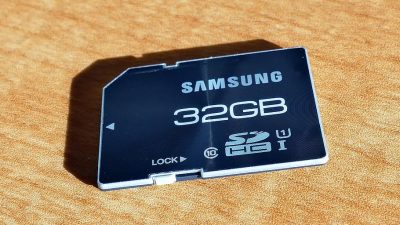
Storage unit serves as a practical solution for our increasingly cluttered lives, providing a space to house our belongings when home storage becomes a challenge. With the rise of urban living and downsizing, storage units have gained popularity as an efficient way to manage personal and business items. This guide will help you understand the types of storage units available, their benefits, and how to choose the right one for your needs.
From seasonal items to important documents, storage units can accommodate a wide range of possessions, making them a versatile choice for anyone looking to declutter. Whether you’re moving, renovating, or simply need extra space, knowing how to effectively utilize a storage unit can enhance both your organization and peace of mind.
In today’s fast-paced world, effective communication is more critical than ever. The ability to convey thoughts clearly and concisely is a skill that benefits us in various aspects of life, whether in personal relationships, the workplace, or public spaces. This article delves into the significance of effective communication, the elements that contribute to it, and practical tips for enhancing these skills.Effective communication is not just about exchanging information; it’s about understanding the emotion and intentions behind the information.
This understanding makes it essential for building relationships, gaining trust, and fostering collaboration. Poor communication, on the other hand, can lead to misunderstandings, resentment, and conflicts. Therefore, honing our communication skills is an investment worth making.### The Importance of Effective CommunicationThe ability to communicate effectively can significantly influence our success in various domains. For instance, in the workplace, clear communication can lead to improved teamwork, higher productivity, and enhanced job satisfaction.
When team members articulate their ideas and concerns openly, it reduces the likelihood of errors and fosters a culture of transparency.In personal relationships, effective communication can enhance intimacy and understanding. It allows individuals to express their feelings and needs clearly, which can lead to stronger bonds. Moreover, being able to listen actively to others helps in resolving conflicts and deepening relationships.### Key Elements of Effective Communication
1. Clarity and Conciseness
The first step towards effective communication is being clear and concise. Avoiding jargon and overly complex language can help ensure that your message is understood. Aim to convey your thoughts in as few words as necessary, without sacrificing meaning.
2. Active Listening
Communication is a two-way street. Active listening involves fully concentrating on what is being said rather than just passively hearing the message. This requires engagement and feedback, such as nodding or summarizing what the other person has said to demonstrate understanding.
3. Empathy
Empathy is the ability to understand and share the feelings of others. When we communicate with empathy, we acknowledge the emotions of those we are speaking to, which fosters a deeper connection and understanding. It involves recognizing the perspective of others and responding thoughtfully.
4. Non-verbal Communication
Body language, facial expressions, and tone of voice all play crucial roles in how we communicate. Non-verbal cues can reinforce or contradict our spoken words. Being aware of your own body language and recognizing the cues from others can enhance understanding and connection.
5. Feedback
Providing and soliciting feedback is essential for effective communication. Constructive feedback can help clarify misunderstandings and pave the way for improvement. It’s important to approach feedback positively, focusing on specific behaviors rather than personal attributes.### Tips for Enhancing Communication Skills
Practice Active Listening
Engage fully in conversations by focusing on the speaker, maintaining eye contact, and avoiding distractions. Summarize what you’ve heard and ask clarifying questions to ensure understanding.

Be Mindful of Your Body Language
Be aware of your posture, facial expressions, and gestures while communicating. Positive body language can help convey confidence and openness.
Adjust Your Communication Style
Different situations and people may require different communication styles. Pay attention to the preferences of those you are communicating with and adjust your approach accordingly.
Seek Feedback
Don’t hesitate to ask for feedback on your communication style. This can provide valuable insights into how others perceive your message and delivery.
Practice Empathy
Put yourself in the other person’s shoes to better understand their feelings and perspectives. This can lead to more meaningful conversations and stronger relationships.
Keep Learning
Communication is a skill that can always be improved. Consider taking workshops, reading books, or participating in groups focused on communication skills. Continuous learning can help you refine your abilities and adapt to new challenges.### The Impact of Technology on CommunicationIn the digital age, technology has drastically changed the way we communicate. While tools like email, instant messaging, and social media have made it easier to connect, they also present unique challenges.
Misinterpretations can arise more easily without the benefit of facial expressions and vocal tones.It’s essential to be mindful of how we communicate in digital formats. Emoticons and GIFs can add nuance to text-based communication, but they should be used appropriately based on the context. Furthermore, establishing clear guidelines for communication within professional settings can help mitigate misunderstandings.### ConclusionEffective communication is a vital skill that influences every aspect of our lives.
By focusing on clarity, active listening, empathy, and feedback, we can enhance our communication skills and foster better relationships. In a world where connection is crucial, the ability to communicate effectively will undoubtedly serve us well, whether in our personal lives or professional endeavors.Investing time and effort into improving how we communicate can lead to more fulfilling interactions and a deeper understanding of those around us.
Remember, communication is not merely about exchanging words; it’s about building connections that enrich our lives.
FAQ Summary
What is a storage unit?
A storage unit is a rented space that individuals or businesses can use to store their belongings temporarily or long-term.
How much does it typically cost to rent a storage unit?
Prices vary based on location, size, and amenities, but they generally range from $50 to $300 per month.
What size storage unit do I need?
The size you need depends on what you plan to store; common sizes include 5×5, 10×10, and 10×20 feet.
Are storage units secure?
Most storage facilities offer security features like gated access, surveillance cameras, and individual locks for units, but it’s always good to check the facility’s security measures.
Can I access my storage unit anytime?
Access hours vary by facility; some offer 24/7 access, while others have set hours, so it’s important to check with the storage provider.