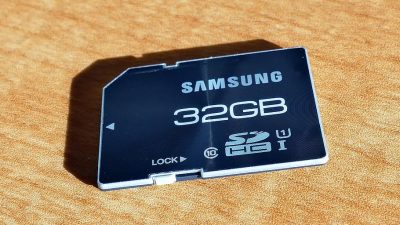
Storage units have become essential in our fast-paced world, providing convenient solutions for various storage needs, from downsizing to organizing seasonal items. As urban living spaces shrink and consumer habits evolve, these versatile spaces offer a practical way to clear clutter while keeping belongings safe and accessible.
Understanding the different types of storage units and their benefits can help you make informed decisions, whether you’re storing personal items, business inventory, or even vehicles. With a range of sizes and features available, storage units cater to all sorts of requirements, making them a valuable resource for individuals and businesses alike.
In today’s fast-paced world, effective communication is more important than ever. Whether in a professional setting or personal interactions, the ability to convey ideas clearly and concisely can significantly impact outcomes. This article will delve into the various aspects of communication, exploring its importance, components, and strategies to enhance effectiveness.To begin, it’s essential to understand what communication truly means. At its core, communication is the process of exchanging information between individuals or groups.
It encompasses verbal, non-verbal, written, and visual methods. Each form serves a unique purpose and can influence how messages are perceived and understood.The importance of effective communication cannot be overstated. In a workplace setting, teams thrive on clear directives and constructive feedback. Miscommunication can lead to errors, decreased productivity, and strained relationships. For instance, consider a scenario where a manager fails to articulate project objectives clearly.
This oversight could result in team members pursuing divergent paths, leading to confusion and frustration. On the other hand, when communication flows freely and is understood by all parties, it fosters collaboration and innovation.Moreover, effective communication plays a vital role in building relationships. Whether in personal or professional contexts, good communication helps establish trust and rapport. Individuals who communicate openly and honestly are more likely to cultivate strong, lasting connections.
For example, think about friendships that have withstood the test of time. They often rely on open dialogue, where friends can share their thoughts and feelings without fear of judgment. This mutual understanding strengthens the bond and encourages emotional support.Another critical component of communication is active listening. This skill involves not just hearing the words spoken but also understanding the underlying message.
Active listening requires full attention, which can be difficult in our distraction-filled world. To improve this skill, individuals can practice techniques such as maintaining eye contact, nodding to show understanding, and summarizing what has been said. These actions signal to the speaker that their message is valued, promoting a more engaging conversation.Non-verbal communication is another essential aspect to consider. Body language, facial expressions, and gestures can convey messages that sometimes words cannot.
For instance, a confident posture can indicate authority, while crossed arms might suggest defensiveness or discomfort. Being aware of one’s non-verbal cues and interpreting others’ signals can significantly enhance communication. When these elements align with verbal communication, the message strengthens, leading to a more profound understanding between parties.In addition to these components, the context of communication plays a crucial role.
Factors such as cultural background, social setting, and emotional state can all influence how messages are sent and received. For example, humor may be well-received in a casual gathering but could be deemed inappropriate in a formal business meeting. Understanding the audience and adjusting one’s communication style accordingly can make a substantial difference in how messages land.Now that we’ve established the importance of communication, let’s explore some strategies for enhancing it.
Firstly, clarity is key. When conveying messages, using straightforward language can help avoid misunderstandings. Jargon or overly technical terms may confuse the audience, so it’s best to stick to simple, accessible language whenever possible.Secondly, asking for feedback is a valuable tactic. This could be as simple as asking if the listener understood the message or if they have any questions.
Encouraging dialogue not only clarifies misunderstandings but also fosters a culture of open communication. For example, a team meeting where everyone is invited to share their input creates an environment where ideas can flow freely.Thirdly, being mindful of tone can significantly impact how messages are received. The same words can convey entirely different meanings depending on the tone used. A friendly, enthusiastic tone can create a welcoming atmosphere, while a stern or sarcastic tone might alienate the audience.
Being aware of one’s tone and adjusting it to fit the context can enhance communication effectiveness significantly.Another strategy involves embracing technology. In our digital age, various tools can facilitate communication, especially for remote teams. Email, instant messaging, and video conferencing platforms such as Zoom or Microsoft Teams allow individuals to connect regardless of geographical barriers. However, it’s essential to use these tools judiciously.
Overreliance on digital communication can lead to misunderstandings, so balancing technology with face-to-face interactions is crucial.Finally, developing emotional intelligence can greatly enhance communication skills. Emotional intelligence refers to the ability to understand and manage one’s emotions while recognizing and influencing the emotions of others. Individuals with high emotional intelligence are better equipped to navigate complex social situations, respond appropriately to others’ feelings, and foster positive interactions.In conclusion, effective communication is a multifaceted skill that requires attention, practice, and a willingness to adapt.
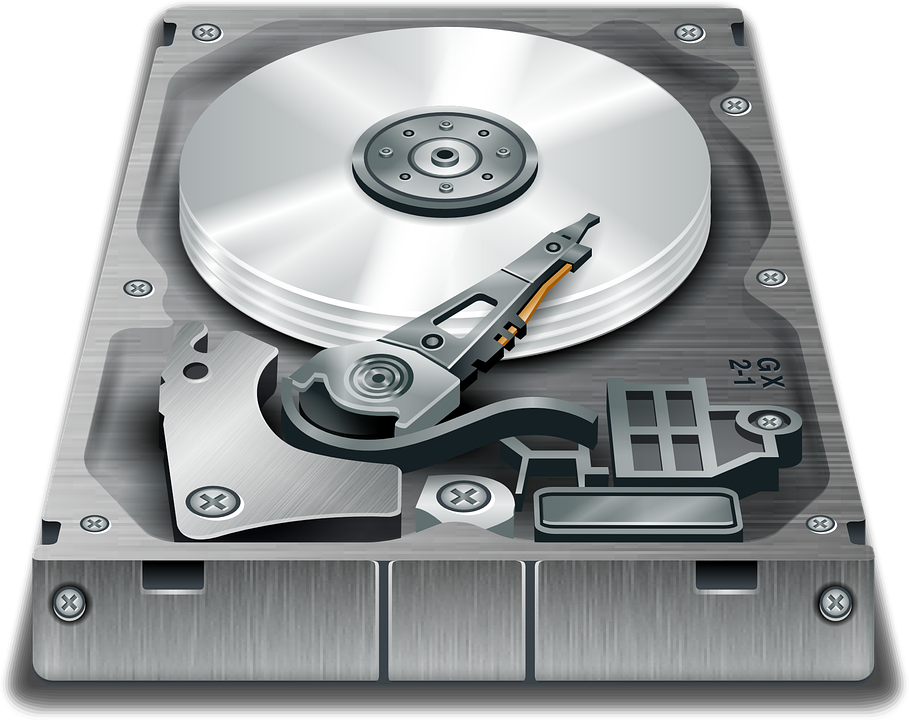
By understanding its importance, components, and strategies for improvement, individuals can enhance their ability to convey messages clearly and build stronger relationships. Whether in a professional setting or personal life, the benefits of effective communication are undeniable. As we continue to navigate a world that increasingly values collaboration and connection, honing these skills will become even more essential.
Questions Often Asked
What sizes do storage units typically come in?
Storage units usually range from small (5×5 feet) to large (10×30 feet) sizes to accommodate various needs.
How secure are storage units?
Most storage facilities offer security measures such as gated access, surveillance cameras, and individual locks to ensure the safety of your belongings.
Can I access my storage unit at any time?

Access hours vary by facility; some offer 24/7 access, while others have specific operating hours.
Are storage units climate-controlled?
Many facilities offer climate-controlled units to protect sensitive items from temperature fluctuations and humidity.
What items are prohibited in storage units?
Generally, hazardous materials, perishable goods, and stolen items are not allowed in storage units, but specific rules vary by facility.